How to Select the Right Grain Conveyor Belt

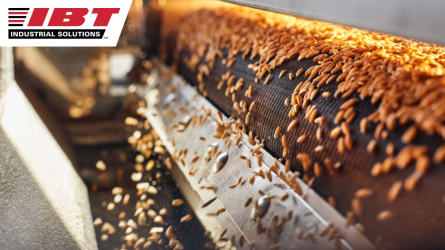
Looking for the Right Grain Conveyor Belt? Start Here.
Choosing the right grain conveyor belt can make or break your operation. The wrong belt leads to spillage, grain damage, downtime, and unexpected costs. The right one ensures efficient handling, longer belt life, and full compliance with OSHA and NFPA standards.
But with so many belt types—PVC, rubber, fabric—and specs like PIW rating, incline capability, and anti-static ratings, it’s hard to know where to start. Should you use cleats for incline? Is rubber worth the higher upfront cost? What belt width and speed are right for 10,000+ BPH? And how do you balance performance with safety in high-dust or high-moisture environments?
This guide breaks it all down:
✅ How to match belt material to grain type (corn, wheat, seed, etc.)
✅ Rules of thumb for belt width, speed, and strength (PIW)
✅ Compliance tips for anti-static and flame-resistant belts
✅ Cost factors beyond the sticker price—like cleats, fabrication, and lifecycle ROI
✅ Plug-and-play belt recommendations by application
Whether you run a grain elevator, feed mill, or portable conveyor, this article will help you make smarter, safer decisions—and avoid costly trial and error.
👉 Learn how to choose the best grain conveyor belt for your operation.

We are sharing this content on behalf of Interstates, a GEAPS Key Partner. If your company is interested in opportunities such as this, please reach out.